In Pakistan, modern surveillance systems are evolving rapidly to protect homes, businesses, and public spaces. Among these systems, IP cameras have become a popular and reliable choice for many. But what exactly are IP cameras, how do they work, and why are they preferred over older technologies?
Let’s explore everything you need to know about how IP cameras work, their features, and the key benefits they offer.
What is an IP Camera?
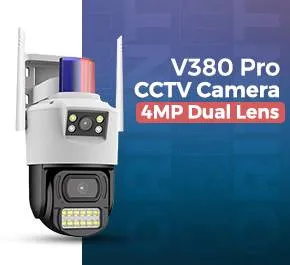
An IP camera is a digital video device that streams video and audio data over the internet. Unlike traditional CCTV systems that rely on coaxial cable transmission, IP cameras use the Internet Protocol (IP) to send information to a network, which can be accessed remotely via computers, smartphones, or other devices.
IP cameras serve the same core purpose as traditional cameras, monitoring and recording activity, but they bring advanced capabilities due to networking and digital technologies.
The Technology Behind IP Camera Explained
Understanding it means breaking down how these devices function from the moment they capture an image to when you view the footage.
1. Image Capture and Conversion
IP cameras capture visuals using a digital image sensor (either CMOS or CCD). Once the image is captured, the camera’s internal processor converts these visuals into digital data. This digital format makes it easier to compress, store, and transmit the footage over networks.
2. Network Communication
This is where IP cameras differ significantly from analog cameras. After digitizing the footage, IP cameras transmit it over a local network or the internet. Each camera is assigned an IP address, just like any device connected to a network. This address allows users to access live feeds or recorded footage from anywhere with internet connectivity.
3. Storage and Recording
Instead of relying only on local recording devices (like DVRs used in analog systems), IP cameras support various storage options:
- Network Video Recorders (NVRs): Devices specifically designed to store video feeds from multiple IP cameras.
- Cloud Storage: Saves footage remotely, ensuring data is secure even if the camera or hard drive is damaged.
- Local Storage: Some IP cameras also support SD cards for direct storage within the device.
4. Remote Access and Management
One of the most compelling aspects of IP camera technology is remote management. You can view live video, configure settings, and receive alerts via app or web portal. This flexibility enhances security oversight, especially for businesses with multiple sites or homeowners who travel frequently.
IP vs Analog Cameras: What’s the Difference?
Many people still wonder how IP cameras differ from traditional analog systems. Let’s break down the key contrasts:
1. Image Quality
IP cameras generally offer higher resolution than analog cameras, resulting in sharper, more detailed footage. This improved clarity helps with tasks like identifying faces or reading license plates.
2. Scalability and Flexibility
Adding more IP cameras to a system is simpler than adding them to an analog system. Because they operate over a network, you don’t need extensive wiring or separate receivers for each camera, just proper network bandwidth.
3. Remote Accessibility
With IP cameras, remote access is built into the system. Analog cameras typically require on-site DVRs to view footage, and remote viewing is often limited or more complex.
4. Advanced Features
IP cameras support a range of intelligent functions that analog systems often lack, such as video analytics and integration with other smart security tools.
Top Benefits of IP Cameras
Now that you understand the basics, let’s explore the benefits of IP cameras that make them an ideal choice for modern surveillance requirements.
1. Better Video Quality
One of the primary advantages of IP cameras is their superior video resolution. You’ll find models capable of capturing full HD or even 4K footage, which is especially useful when reviewing important visual details.
2. Easy Remote Monitoring
If you’re at home, in the office, or traveling, you can access your IP camera feeds instantly through an app or web interface. This real-time visibility provides peace of mind and enhances situational awareness.
3. Scalable and Future-ready
Expanding your security setup with IP cameras is straightforward. You can add cameras to your existing network without requiring significant infrastructure changes. This makes IP systems especially suitable for growing businesses or expanding properties.
4. Advanced Security Features
Modern IP cameras come equipped with smart features such as motion detection, night vision, audio support, and customizable alerts. These additions elevate your security beyond simple recording; they help you respond more quickly and effectively to suspicious activity.
5. Efficient Bandwidth and Storage
Thanks to digital compression technologies, IP cameras use compression (e.g., H.264, H.265). Combined with flexible storage options such as cloud or NVR, you have full control over where and how video is stored.
Real-World Uses of IP Cameras
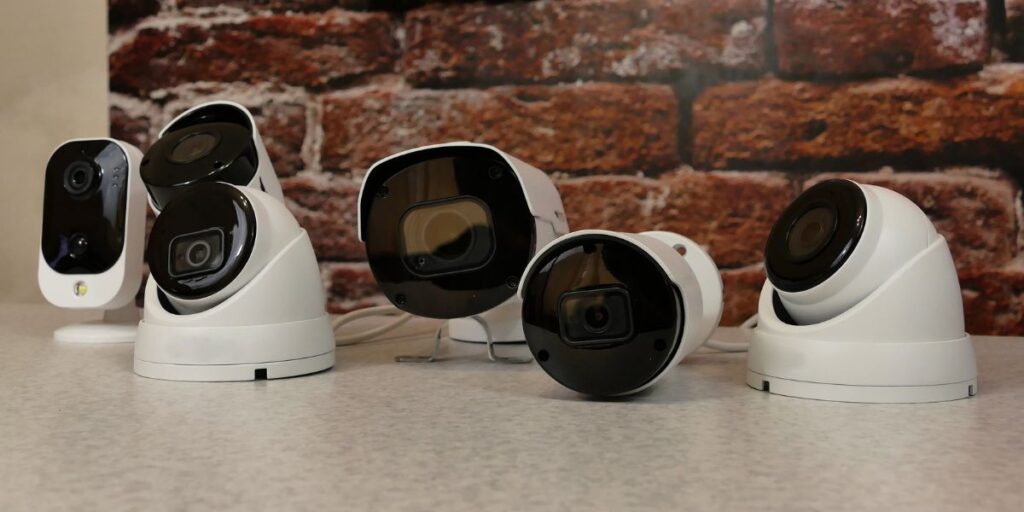
IP cameras aren’t just used in commercial buildings; they’re used in a wide range of environments.
1. Home Security
From front doors to driveways and indoor spaces, IP cameras help homeowners keep tabs on activity and respond to alerts when necessary. Integration with other smart home devices, such as alarms or lighting, enhances overall security.
2. Retail Monitoring
Businesses use IP cameras to deter theft, monitor staff activity, and review customer behavior. High-resolution footage also helps resolve disputes or verify transaction details.
3. Public and Industrial Spaces
In public areas such as parking lots, schools, and government buildings, IP systems provide comprehensive monitoring. Industrial facilities also use them to ensure safety, monitor procedures, and maintain compliance.
You can get the best prices on CCTV cameras in Pakistan from reliable providers like Orient CCTV, balancing quality with your budget.
Choosing the Right IP Camera System
Selecting the right IP camera setup depends on your unique security needs. Here are a few factors to consider:
1. Camera Resolution
Higher resolution cameras provide clearer details but may require more storage. Choose a resolution that fits your monitoring goals, high enough to see critical details without overwhelming your system.
2. Indoor vs Outdoor Use
Outdoor cameras must be weather-resistant and durable. Look for models designed to withstand environmental conditions if you plan to monitor external areas.
3. Night Vision and Low Light Performance
If you need 24/7 monitoring, ensure your cameras offer strong night vision or low-light capabilities. This ensures footage remains clear regardless of lighting conditions.
4. Storage Options
Decide if you prefer cloud storage, local storage, or a combination. Cloud options offer easy access and backup, while local storage can be more cost-conscious in the long term.
5. Integration with Other Systems
If you already use smart devices or alarm systems, choose cameras that easily integrate with your existing setup. This makes management easier and provides a seamless security experience. At the end of the day, the right IP camera system delivers both visibility and peace of mind.
Final Thoughts
IP cameras mark a major advancement in surveillance technology. By leveraging digital networks, they offer enhanced video quality, remote monitoring, scalability, and advanced security features that traditional analog systems cannot match.
If you’re securing a home, business, or public area, understanding how IP cameras work and their benefits can help you make a better decision for your security needs. With flexible storage, intelligent alerts, and high-definition footage, IP cameras remain the modern standard in video surveillance technology. For high-quality surveillance hardware, get the best prices on IMOU cameras in Pakistan from Orient CCTV, with options that meet your security needs.