In the realm of security surveillance, achieving clear and reliable footage is essential for protecting homes, businesses, and communities across Pakistan. With rising concerns over safety in urban areas, understanding the technical aspects of CCTV systems becomes crucial. One key element that directly influences the effectiveness of your surveillance setup is frame rate.
This article explores how frame rate shapes the quality of CCTV footage, offering practical insights to help you make informed decisions.
What is Frame Rate in CCTV Systems?
Frame rate refers to the number of individual images, or frames, a CCTV camera captures and displays per second, measured in frames per second (FPS). In simple terms, it determines the fluidity of the video playback. For instance, a standard CCTV system might operate at 15 FPS, meaning it records 15 distinct images every second.
This metric is foundational to video surveillance technology. Without an adequate frame rate, footage can appear disjointed, making it difficult to discern details during playback. Industry standards typically range from 15 to 30 FPS for general use, as this balance provides sufficient clarity without overwhelming storage resources. For Pakistani users installing systems in high-traffic zones, grasping this concept ensures footage remains actionable for security purposes.
CCTV Frame Rate Explained
To delve deeper, CCTV frame rate explained involves recognizing its role in stitching together static images into coherent motion. Each frame acts as a snapshot, and higher rates fill in more snapshots, reducing gaps in visual information. Lower rates, conversely, create a series of stills that the human eye interprets as movement, but with noticeable jumps.
Engineers design CCTV cameras to adjust frame rates dynamically based on environmental factors. In well-lit Pakistani markets during daylight, a consistent FPS maintains steady recording. However, in low-light evenings common in residential neighborhoods, systems may drop frames to prioritize exposure, subtly altering quality. This explanation highlights why frame rate is not merely a setting, but a dynamic tool in surveillance.
How Frame Rate Affects Video Quality
The influence of frame rate on overall video output is profound, directly tying into smoothness, detail retention, and usability in real-world scenarios. Higher frame rates capture more temporal data, preserving nuances in motion that lower rates might miss. This becomes evident when reviewing footage for evidence, where every second counts.
In practice, how frame rate affects video quality manifests in the playback experience. At optimal levels, videos flow naturally, aiding quick assessments by security personnel. Low rates can cause blurring during fast movements, like a car passing through a gate. For families in Pakistan using CCTV for safety, this can mean the difference between unclear and clear images.
High FPS vs Low FPS in CCTV

Comparing high fps vs low fps in CCTV reveals clear trade-offs. High FPS, typically 25 to 30 or above, delivers seamless motion ideal for capturing fast-paced events like foot traffic in bustling bazaars. This setting excels in environments that demand granular detail, ensuring that intruders or accidents are accurately recorded without any gaps.
A low FPS, around 5 to 10, is sufficient for static monitoring, such as overnight parking lots, conserving bandwidth and storage, which is vital for cost-conscious setups in Pakistan. Yet, it risks missing critical moments in dynamic scenes, where motion appears staccato. The choice hinges on needs: high for active areas and low for passive ones, always considering resource implications.
Understanding CCTV Recording Quality
Understanding CCTV recording quality extends beyond mere visuals to encompass the interplay between frame rate, resolution, and bitrate. Frame rate contributes to the holistic integrity of recordings, ensuring that high-definition feeds do not suffer from temporal inconsistencies. In essence, it bridges the gap between raw data capture and interpretable evidence.
Quality degradation occurs when frame rates clash with system capabilities. For example, pushing a budget camera to 60 FPS might strain its processor, resulting in dropped frames and pixelation. Many installers often face this challenge in multi-camera networks that cover large compounds, where maintaining synchronized quality is crucial for ensuring system reliability. Prioritizing frame rate alignment enhances the long-term value of footage.
Factors Influencing Frame Rate Choices
Several variables guide frame rate selection in CCTV deployments. Storage capacity tops the list; higher FPS exponentially increases file sizes, potentially overwhelming DVRs in remote rural setups. Bandwidth limitations, especially on variable internet infrastructure, further dictate feasible rates.
Lighting conditions also play a role, as dim environments force compensatory adjustments that impact FPS. Motion sensitivity settings enable cameras to increase frame rates during detected activity, optimizing quality without constant high usage. Finally, compliance with local security standards, such as those for commercial properties in Islamabad, may mandate minimum FPS for evidentiary purposes.
Optimal Frame Rates for Different Scenarios
Selecting the right frame rate tailors surveillance to specific contexts, maximizing effectiveness while minimizing drawbacks. Residential installations benefit from 15 to 20 FPS, capturing everyday movements like family arrivals without excessive data buildup. In contrast, commercial venues like shops require 25 to 30 FPS to track customer flows and prevent losses.
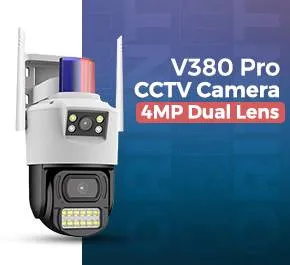
For outdoor applications in varied climates, weatherproof cameras maintain stable rates, avoiding drops from rain or dust. Integrating smart features, such as the IMOU Cruiser Dual 2, which supports adjustable FPS for dual-lens coverage, boosts performance. Consider exploring Orient CCTV for seamless integration and expert advice.
Residential Surveillance Needs
In home settings, 10 to 15 FPS strikes a practical balance, providing clear overviews of entrances and gardens. This rate handles typical activities, from deliveries to neighborhood watches, ensuring families feel secure without monthly storage fees skyrocketing.
Commercial and Industrial Applications
Businesses demand higher thresholds, often 20 to 30 FPS, to monitor high-velocity operations like warehouse loading. Here, smooth footage aids in liability assessments and theft prevention, justifying the investment in robust systems.
Tips for Optimizing Frame Rate in Your CCTV Setup
Achieving peak performance involves strategic adjustments. Start by auditing your environment: identify motion hotspots and assign elevated FPS accordingly. Variable frame rate modes, available in modern cameras, adapt in real-time, preserving quality during events while idling efficiently.
Regular firmware updates address FPS inconsistencies, and pairing with sufficient NVR capacity prevents bottlenecks. For users, consulting local providers ensures compatibility with power grids prone to fluctuations. Testing recordings post-installation verifies that frame rates align with expectations, fostering confidence in your security layer.
Final Thoughts
Frame rate stands as a cornerstone in CCTV footage quality, influencing everything from motion capture to storage demands. By thoughtfully selecting and optimizing this parameter, users can fortify their surveillance against everyday risks, ensuring peace of mind. As technology evolves, staying attuned to these fundamentals empowers better-protected spaces. For those seeking the best CCTV camera in Pakistan, Orient CCTV delivers top-tier options tailored to local needs. Go through our site today for consultations and installations that prioritize reliability and ease.