Outdoor security cameras are your silent guardians, watching over your home or business 24/7. But in Pakistan, where we face scorching summers, heavy monsoon rains, dusty winds, and occasional hail, leaving your camera exposed without proper protection can significantly shorten its lifespan.
If you’re in a big city or a smaller city, learning how to protect outdoor cameras from the elements is essential to keep your surveillance system working year-round.
Why Outdoor Cameras Need Special Weather Protection
Most people assume that any camera labeled “outdoor” can handle everything nature throws at it. The truth? Not really. Even high-quality waterproof security cameras have limits. Direct exposure to intense sunlight, non-stop rain, extreme heat above 50°C, or freezing nights in northern areas can damage lenses, corrode housing, fog up the view, or cause internal components to fail. Taking a few smart steps now saves you from expensive replacements later.
Choose the Right Camera from the Start
- The best defense is always prevention. When buying a new system, always check the IP rating:
- The IP65 rating ensures that devices are dust-tight and can withstand water jets, providing a good level of basic protection.
- The IP66 rating handles more powerful water jets and heavy rain, making it one of the most common standards in Pakistan, where monsoon seasons can be intense.
- For areas prone to flooding, the IP67 rating is ideal, as it indicates the device can withstand temporary immersion in water for short periods, providing excellent protection.
Reputable brands design their waterproof security cameras with sealed glands, corrosion-resistant aluminum bodies, and anti-fog coatings built in. This single decision makes every other protection step much easier.
Proper Installation Location Matters More Than You Think
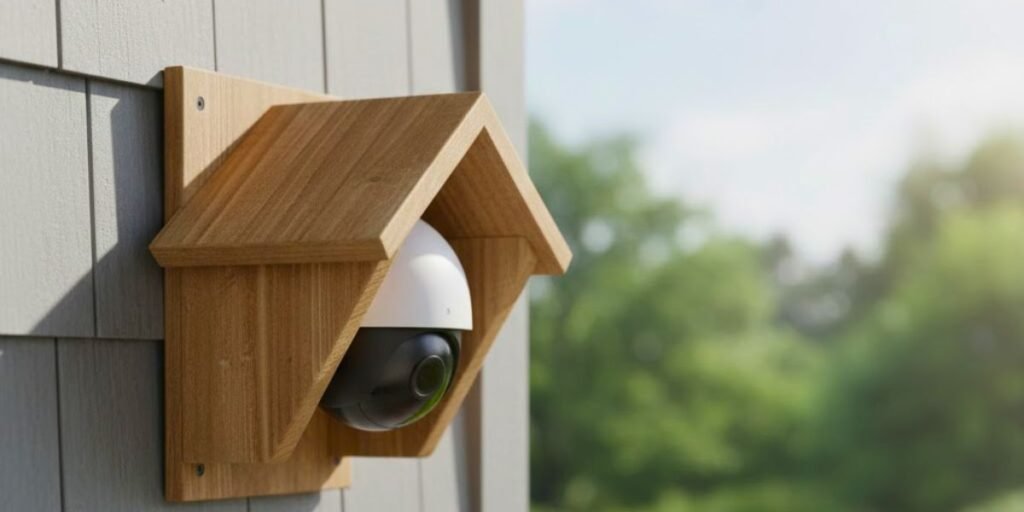
Where you mount the camera affects its lifespan more than any cover or housing.
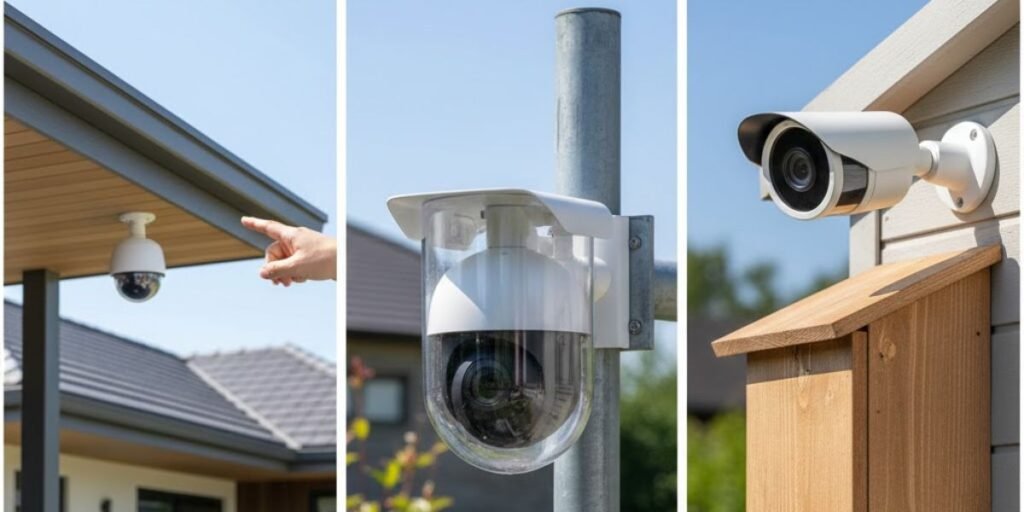
- Mount under eaves, roof overhangs, or awnings to shield CCTV from the sun and storm directly.
- Avoid placing cameras where water pools or drips continuously after rain
- Keep at least 3 to 4 meters above ground to reduce dust buildup and vandalism risk
- Angle slightly downward (10 to 15°) so rain runs off the lens instead of sitting on it
A small change in position can add years to your camera’s life.
Use Quality Weatherproof Housings and Covers
- Even IP66 cameras benefit from extra protection during Pakistan’s harsh monsoon season. A dedicated outdoor camera housing acts like an umbrella:
- The product is crafted from durable UV-resistMount under eavesant plastic or die-cast aluminum, ensuring longevity and resilience against the elements.
- It features sun shields on top to effectively reduce heat buildup, enhancing comfort and safety.
- The design includes silicone seals and breathable vents that work together to prevent condensation, creating a healthier, more efficient environment for users.
Many local installers recommend adding a simple housing if your camera will face west (direct afternoon sun) or be fully exposed on a pole.
Protect Outdoor CCTV from Rain and Water Damage
Monsoon season is the real test. Here’s how to protect outdoor CCTV from rain effectively:
- It’s essential to ensure that all cable entry points are thoroughly sealed with silicone or weatherproof tape to prevent moisture intrusion.
- Incorporate drip loops in your cables to effectively redirect water away from the camera, minimizing the risk of damage.
- Applying petroleum jelly or dielectric grease to connectors annually can provide additional protection.
- Position cameras at least 10–15 cm below any surfaces where water might drip to safeguard their longevity and functionality.
These small habits keep water out even during the heaviest downpours. If you’re looking for reliable, truly weatherproof systems at a fair price on security cameras in Pakistan, Orient CCTV offers IP66/IP67 cameras built specifically for our local climate conditions. We handle everything from heat to cold effortlessly.
Shield Your Camera from Extreme Heat and Sun
Temperatures regularly reach 45 to 50°C in the summer. Direct sunlight can:
- Excessive heat can cause internal electronics to overheat, causing the camera to shut down unexpectedly.
- This process may cause plastic components to warp and can ultimately lead to fading or cracking of the outer casing, compromising durability.
A simple metal sun shield or placing the camera in shade drops the internal temperature by 10–15°C. Some users even paint housing white to reflect heat.
Regular Outdoor Camera Maintenance Tips
A little care goes a long way:
- Clean the lens gently every 2 to 3 months with a microfiber cloth and lens cleaner
- Remove spider webs, dust, and bird droppings promptly (they attract moisture)
- Inspect seals and screws for rust twice a year
- Check cables for cracks or rodent damage, especially after summer
Five minutes of maintenance beats spending thousands on a new camera.
What to Do After a Storm or Hail
If your area just faced heavy hail or a dust storm:
- To ensure your camera functions optimally, begin by rinsing it gently with clean water, avoiding high-pressure sources.
- After rinsing, make sure to dry the camera completely before turning it on.
- Carefully inspect the dome or lens for cracks, and promptly test the night vision and motion detection features to confirm they are working correctly.
Quick action can save a camera that looks damaged at first glance.
Bonus Protection Tips for Coastal Areas
Salt air can significantly accelerate corrosion on equipment and surfaces. To combat this, it’s essential to use cameras and housings with marine-grade coatings or stainless-steel screws.
Additionally, make it a habit to rinse the exterior with fresh water every few months to remove salt buildup and extend the equipment’s lifespan.
Final Thoughts
Investing time to protect an outdoor camera from the weather pays off in crystal-clear footage when you need it most, whether it’s identifying a thief at night or checking on your family during a rainstorm. Start with a properly rated camera, install it smartly, add bare shielding, and stay on top of maintenance. Your surveillance system will thank you by lasting 5 to 10 years instead of 1–2. Ready to upgrade? Go through our website to find the best outdoor cameras in Pakistan, designed for the local weather.