Smart surveillance starts with picking the camera that fits your home’s unique needs. With technological advancements shaping how we secure our homes, two major types of surveillance systems stand out: IP (Internet Protocol) cameras and HD (High Definition) cameras.
But how do you decide which one suits your needs? Let’s walk through the IP vs HD camera comparison to help you choose the best security camera type for your home.
Understanding the Basics: What Are IP and HD Cameras?
Before we dive into pros and cons, it’s essential to understand what these two camera types are.
What Is an IP Camera?
IP cameras are digital devices that rely on internet connections to transmit and receive data. They can be wired (via Ethernet) or wireless (via Wi-Fi), and often require a network video recorder (NVR) or cloud service to store footage.
What Is an HD Camera?
HD cameras, also known as analog HD cameras, transmit video over coaxial cables to a digital video recorder (DVR). Even though they offer high definition video, they function differently from IP cameras in how they transmit and process data.
IP vs. HD Camera Comparison: The Key Differences
Comparing IP and HD cameras isn’t just about resolution. It’s about technology, flexibility, scalability, and long-term reliability.
1. Video Quality and Performance
Both IP and HD cameras can deliver clear, high-resolution footage, but the way they handle video differs:
- IP Cameras: Often support higher resolutions (like 4K), smoother frame rates, and better image processing.
- HD Cameras: Commonly range from 1080p to 5MP, and some systems support 4K, depending on DVR compatibility.
When comparing IP camera advantages vs HD, superior image quality and advanced features like wide-dynamic range (WDR) often make IP cameras more desirable for detailed surveillance.
2. Network and Connectivity
Here’s where technology plays a crucial role:
- IP Cameras: Use your network, meaning footage can be accessed remotely using smartphones or PCs. You can also power them via PoE (Power over Ethernet), which simplifies installation.
- HD Cameras: Most modern DVR systems support remote viewing through mobile apps, but IP cameras generally provide more flexible remote access and smart integrations.
3. Scalability and System Expansion
If you plan to expand your security system over time:
- IP Systems: Are easier to scale. You simply connect new cameras to your network.
- HD Systems: Require more cabling and configuration to add cameras.
4. Cost and Installation Complexity
HD camera systems are generally more budget-friendly upfront, but they might lack advanced features. On the other hand, IP cameras might cost more initially but offer better long-term value due to scalability and advanced digital features.
If you’re curious about security camera prices in Pakistan, check out options from Orient CCTV. We offer a wide range of reliable cameras suited to different security needs.
Advantages of IP Camera vs HD Camera
Let’s take a closer look at where each system shines.
Benefits of an IP Camera
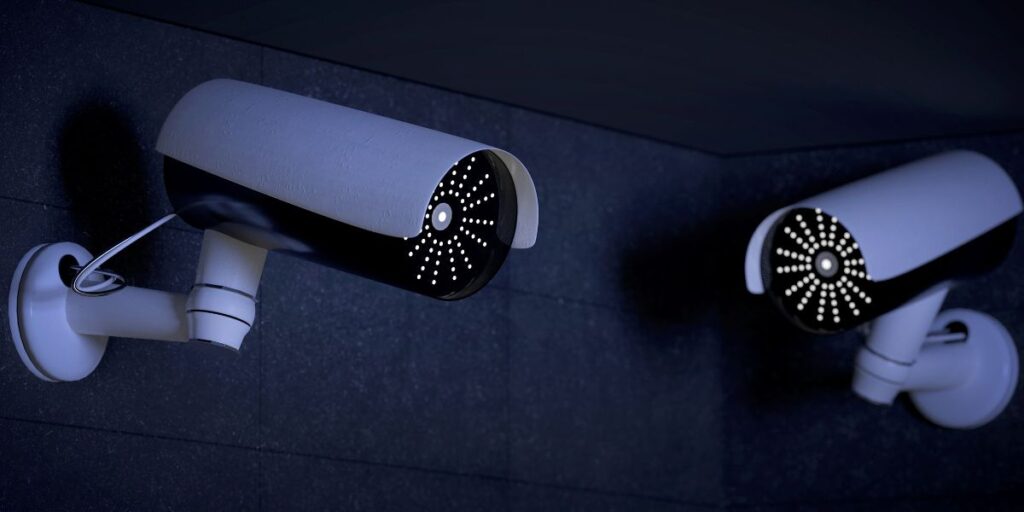
IP cameras are often thought of as the future of home surveillance. Here’s why:
1. Advanced Features and Integrations
IP systems can incorporate smart features like:
- Motion detection alerts
- AI-based analytics (like facial recognition)
- Cloud storage options
- Two-way audio with compatible models
These features give IP cameras an edge for users looking for modern smart security.
2. Better Remote Access
IP cameras allow you to:
- View live footage anytime
- Access recordings from anywhere
- Get notifications sent straight to your phone or email.
This makes IP cameras extremely practical for tech-savvy homeowners.
Where HD Cameras Still Hold Value
Though newer technologies are dominating the market, HD cameras still have benefits:
1. Cost-Effective for Basic Surveillance
HD cameras deliver good video quality without breaking the bank, making them suitable for:
- Small residential properties
- Budget-friendly security setups
- Environments without heavy internet dependency
2. Simplicity and Reliability
HD systems are typically:
- Straightforward to install
- Easy to operate without advanced networking knowledge
- Reliable for basic day-to-day surveillance
For many homeowners who just want dependable monitoring, HD still gets the job done.
What to Consider When Choosing the Best Security Camera Type
So, which one should you choose? Here’s a practical guide to help.
1. Assess Your Home Security Needs
Ask yourself:
- Do you want smart features and remote access?
- Does your property require high-resolution monitoring?
- Are you planning future expansions?
- Is the budget a significant factor?
If advanced monitoring and remote access are priorities, IP cameras are likely the better choice. If you just need straightforward, cost-effective protection, HD may be sufficient.
2. Think Long-Term
Consider not just installation cost, but long-term maintenance. IP systems may save time and money in the long run due to easier upgrades and integration with smart home systems.
3. Compatibility and Infrastructure
Also think about your internet reliability, existing cabling or wiring setups, and storage preferences (local vs cloud).
These factors can influence which system will integrate best with your lifestyle.
Real-World Use Cases: Which One Fits Your Home?
Understanding different scenarios can make this choice easier.
1. Small Apartment or Renters
For renters or small homes, HD cameras offer decent surveillance without needing advanced setup or network upgrades.
2. Medium to Large Homes
If your home has multiple rooms or floors, IP cameras might be better due to easier network scaling, centralized monitoring, and smart alerts and analytics.
3. Tech-Forward Households
If you enjoy smart devices and tech integrations (like home assistants), IP cameras offer a seamless experience with more advanced features.
Final Thoughts
Choosing between IP and HD cameras doesn’t have to be overwhelming. It’s about weighing your security goals, budget, and technical comfort. The difference between IP and HD cameras lies mostly in flexibility, connectivity, and future-proofing.
No matter if you go with a modern IP setup or a simpler HD system, the priority should always be reliable coverage that keeps you and your family safe. Smart planning and thoughtful research go a long way when investing in home security. If you want to explore trusted brands and solutions at the best rates, connect with us to learn about the prices on Dahua cameras in Pakistan. Orient CCTV features a solid range of high-quality security equipment to meet different requirements.