Can CCTV Cameras Be Hacked? Security Risks and How to Protect Your System

If you have ever installed a security camera at your home or business in Pakistan, you have probably asked yourself this question at some point. The honest answer is yes, CCTV cameras can be hacked, and this happens more often than most people realize. Cameras connected to the internet are essentially small computers, and like any computer, they can be exploited if left unprotected.
This does not mean you should abandon the idea of surveillance altogether. It simply means you need to understand the risks and take practical steps to properly secure your setup.
Common CCTV Security Risks You Should Know
Before you can protect CCTV from hackers, it helps to understand what you are protecting it from. Here are some of the most common vulnerabilities that lead to unauthorized access.
- Weak or default passwords left unchanged after installation
- Outdated firmware that has not been patched for known vulnerabilities
- Unsecured remote access features enabled without proper authentication
- Poor network segmentation, where cameras share the same network as sensitive devices
- Unencrypted data transmission, allowing footage to be intercepted mid-stream
Each of these gaps represents a door left slightly open. It only takes one weak point for someone with the right tools to walk right in. Most attacks are not sophisticated Hollywood-style hacks. They rely on automated tools that scan the internet for devices still using factory-set usernames and passwords. Once found, gaining entry takes only seconds. Other attackers exploit outdated firmware that manufacturers have already patched, but the owner never bothered to update.
Signs Your CCTV System May Have Been Compromised
It is not always obvious when a camera has been accessed without permission. However, there are a few warning signs worth watching for.
- Unusual camera movements when no one is controlling them
- Unexpected spikes in data usage or bandwidth
- Login attempts or activity logs you do not recognize
- Settings changed without your input
- Slower network performance than usual
If you notice any of these, it is worth investigating immediately rather than assuming it is a technical glitch.
How to Build a Secure CCTV Camera System?
Now that we have covered the risks, let us talk about solutions. Building a secure CCTV camera system is not complicated, but it does require consistent effort rather than a one-time fix.
Start with Strong, Unique Passwords
This sounds basic, yet it remains the single biggest reason cameras get hacked. Immediately change the default password after installation and choose a strong, hard-to-guess combination. Avoid reusing passwords across multiple devices.
Keep Firmware and Software Updated
Manufacturers frequently release updates to address security issues. Ignoring these updates can leave vulnerabilities open. Set reminders to check for firmware updates periodically or enable automatic updates if available.
Segment Your Network
By connecting your cameras to a separate network from your computers and personal devices, you reduce potential damage if one device is compromised. Many routers enable you to set up a guest network exclusively for smart devices, such as cameras.
Enable Two-Factor Authentication
Whenever available, two-factor authentication adds an extra layer of protection beyond just a password. Even if someone guesses your login credentials, they would still need a second verification step to gain access.
Limit Remote Access
Remote viewing is convenient; however, ensure it is only accessible via secure, encrypted connections. Disable features that are not in use, since each open port could be a potential entry point for attackers.
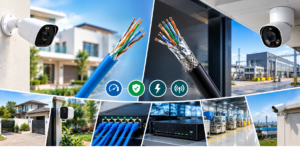
Setting up a properly secured system also depends on using the right equipment from the start. Investing in quality security camera accessories, such as reliable cables, secure routers, and protective housings, makes a real difference in your setup’s resistance to tampering or exposure. We offer a wide range of dependable accessories designed to strengthen your overall surveillance camera cybersecurity setup, giving you one less thing to worry about.
CCTV Network Security: A Broader Perspective
Protecting individual cameras is important, but CCTV network security requires a broader perspective. Your surveillance system does not exist in isolation. It is part of your entire digital environment, and weaknesses anywhere within it can eventually affect your cameras.
Encrypt Your Data
Look for systems that offer encrypted video transmission and storage. This ensures that even if someone intercepts the data, they cannot easily make sense of it without the encryption key.
Monitor Access Logs Regularly
Most modern systems keep records of who accessed the footage and when. Reviewing these logs periodically helps you catch suspicious activity before it becomes a bigger problem.
Choose Reputable Equipment
Not all cameras are built with security in mind. Cheaper, unbranded devices sometimes lack basic protections that established manufacturers include by default. Researching your equipment before purchase pays off in the long run.
CCTV Hacking Prevention Is an Ongoing Process
Protecting your surveillance system is not something you do once and forget about. Threats constantly evolve, so it is important to regularly review your security settings, update your passwords, and stay informed about the latest vulnerabilities affecting your camera brands.
Frequently Asked Questions
1. Can CCTV cameras be hacked even if they are not connected to the internet?
Cameras that operate entirely offline, without any network or remote access capability, are far less vulnerable. However, most modern systems include some form of connectivity, which introduces risk if not properly secured.
2. What is the most common mistake people make with CCTV security?
Leaving the default username and password unchanged is by far the most common and easiest mistake to avoid.
3. How often should I update my CCTV firmware?
Checking for updates every few months is a reasonable practice, though enabling automatic updates when available is even more convenient and reliable.
4. Does a secure CCTV camera system require professional installation?
Not necessarily, but professional installers are often familiar with best practices around network segmentation and secure configuration, which can reduce the chances of oversight.
5. Can hackers access stored footage even without live access to my cameras?
Yes, if storage devices or cloud accounts linked to your system are not properly secured, stored footage can be accessed independently of the live camera feed.
Final Thoughts
CCTV cameras can absolutely be hacked, but that risk is manageable with the right precautions. Strong passwords, regular updates, network segmentation, and encrypted connections go a long way toward protecting your footage and privacy. Security is not about achieving perfection; it is about closing as many gaps as possible and staying alert to new threats as they emerge.
The right equipment is the foundation of a system that is genuinely hard to compromise. As the best CCTV camera company in Pakistan, we provide security-conscious surveillance solutions built to close the gaps attackers rely on. Speak with our team today and take the guesswork out of protecting your network.
Related


Lets's Get Social
We are a dedicated professional company that deliver high-quality cameras all over Pakistan

SEO Team
Share On
Related Post