Wi-Fi vs PoE CCTV Cameras: Which Is Better?
When upgrading your security setup, one of the first questions you will face is whether to go with Wi-Fi or PoE cameras. Both approaches have real strengths, and both have trade-offs. Understanding the difference between Wi-Fi vs PoE CCTV cameras properly can save you from making an expensive decision you later regret. Security is no longer optional for protecting homes, businesses, and assets across Pakistan. Getting the right system from the start matters.
What Are PoE Cameras?
The Basics of PoE Technology
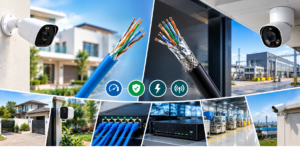
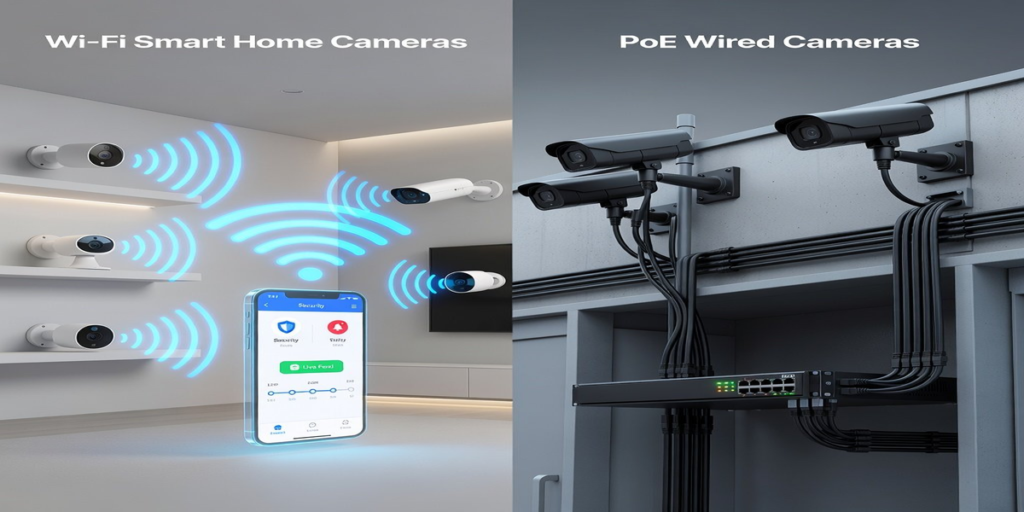
PoE, which stands for Power over Ethernet, uses a single cable to handle both power delivery and data transmission simultaneously. This means one Cat5e or Cat6 cable connects each camera to a PoE-enabled NVR, carrying both the video feed back to the recorder and the power needed to run the camera. The result is a cleaner, more streamlined installation, particularly when you are working with multiple cameras spread across different areas of a property.
Benefits of PoE Cameras
The PoE camera benefits are considerable, which explains why these systems are gaining popularity among security-conscious property owners. Installation is simpler because a single cable replaces two. Performance is consistent because PoE cameras are not affected by Wi-Fi congestion or wireless interference.
It is worth noting that PoE camera performance still depends on cable quality, network equipment, and proper installation. For context on the wireless side, Wi-Fi cameras can be highly secure when the network is properly configured with strong encryption such as WPA2 or WPA3, secure passwords, and regular firmware updates. The vulnerability is not inherent to the technology but to how it is managed.
What Are Wi-Fi CCTV Cameras?
The Appeal of Wireless Security
Wi-Fi cameras connect to your existing wireless network, making installation straightforward and cable-free. There is no need to run cables through walls or ceilings. You mount the camera, connect it to your network, and the setup is largely complete. This simplicity makes them popular for quick installations and for situations where running cables is not practical.
How Wireless Security Cameras Function
Wi-Fi cameras transmit footage over the internet to cloud storage or a local device, giving you access from anywhere via a smartphone. Whether you are at work, travelling, or simply away from home, checking your cameras takes only a few seconds. Setup is typically guided by a mobile app and does not require professional help or technical expertise, making these systems genuinely accessible to most homeowners.
PoE vs Wireless Security Cameras: A Direct Comparison
Installation and Setup
Looking at PoE vs wireless security cameras from an installation perspective, PoE requires more upfront effort. You will need to plan camera placement around cable routes, run cables through walls or ceilings, and in many cases bring in a professional installer. That said, once the system is in place, it is stable, permanent, and not dependent on anything external.
Wi-Fi cameras are considerably easier to install and often come with guided mobile app setup, making them a practical choice for DIY installation. If you are renting, working within building restrictions, or simply want results quickly, wireless is the more convenient path. Cameras can also be relocated without any rewiring.
Reliability and Connection Quality
PoE cameras are unaffected by Wi-Fi congestion, interference, or signal drop-offs. In densely populated areas where multiple overlapping networks exist, PoE systems maintain consistent performance regardless. Wi-Fi cameras depend on the quality and stability of your wireless network. A weak signal or an overloaded network with many connected devices can introduce problems. This does not make them unreliable by nature, but it does mean they are more susceptible to external factors outside your direct control.
Video Quality and Performance
PoE systems deliver stable, high-bitrate video streams with consistent performance, even when multiple high-resolution cameras are running simultaneously. Because data travels over Ethernet, it is far less prone to interference than wireless transmission. Wi-Fi cameras depend on the strength of your local network. Internet access is typically only needed for remote viewing or cloud storage, as many systems can still record locally via SD cards or an NVR even without a live internet connection.
Power Considerations
With PoE, power delivery is consistent and uninterrupted as long as the system is running. Your cameras stay online continuously without relying on batteries or nearby power outlets. Some wireless camera models are battery-powered, while most Wi-Fi cameras use an adapter connected to a standard electrical outlet. Battery-powered options offer more placement flexibility but introduce the need for periodic recharging or replacement.
Cost Factors
PoE systems generally require a higher initial investment, covering professional installation, Ethernet cabling, and a PoE-enabled NVR. Wi-Fi systems tend to cost less upfront. Individual cameras are more affordable, setup costs are minimal, and professional installation is usually not required. The trade-off is that long-term reliability and performance may not match that of a properly installed wired system.
Which Is Better for Your Needs?
Deciding which is better PoE or Wi-Fi camera comes down to your specific security requirements, budget, and the nature of your property. As a general guide, PoE cameras are the stronger choice if you need maximum reliability, are monitoring a large property, or require professional-grade security performance. Wi-Fi cameras are better suited if you value convenience, are working within a tighter budget, or need a flexible system that is easy to install and adjust.
When evaluating options in Pakistan’s market, keep in mind that the CCTV Camera Price in Pakistan varies considerably depending on the system type, brand, and specifications. Consulting with Orient CCTV can help you identify which system offers the best value for your specific situation.
The Integration Factor
PoE systems tend to integrate more naturally with broader security infrastructure, including access control systems and alarms. Wi-Fi cameras are typically easier to deploy individually and add incrementally to an existing setup, though they may depend on separate apps or cloud services depending on the brand. For a mixed-use environment, the two can often complement each other effectively.
Future-Proofing Your Investment
Both technologies continue to develop in meaningful ways. PoE systems are becoming more affordable while maintaining their core reliability advantages. Wi-Fi technology is steadily improving, with better protocols and more efficient data transmission reducing some of the traditional limitations of wireless. Both options have a long-term role in modern security and will continue to evolve alongside the broader industry.
Making Your Final Decision
Before committing to either system, it is worth working through a few key questions about your situation. How large is the area you need to monitor? What is your budget? How important is professional-grade monitoring versus a straightforward DIY setup? Do you own your property or are you renting? Your answers will naturally point you toward the right choice. Some property owners also opt for a hybrid approach, using PoE cameras in critical zones and Wi-Fi cameras in secondary areas where cable installation is not practical.
For those exploring specific options, researching the Ezviz Camera Price in Pakistan gives a useful benchmark for what is available in the Wi-Fi camera market. Comparing this with local PoE options from providers like Orient CCTV ensures you are making a well-informed decision based on what is actually available and competitively priced in the current market.
Final Thoughts
The comparison between Wi-Fi vs PoE CCTV cameras is not about finding a single winner. It is about identifying what works best for your property, your budget, and your priorities. PoE cameras deliver professional-grade reliability and consistent performance, making them the right choice for demanding security applications. Wi-Fi cameras offer genuine convenience and flexibility, which makes them appealing for a wide range of users. Both technologies are advancing quickly, and both have a legitimate place in modern security systems.
Whatever you decide, make sure you are purchasing from a reputable source that stands behind its products and provides proper after-sales support. The investment you make in security today protects what matters most to you over the long term.


Lets's Get Social
We are a dedicated professional company that deliver high-quality cameras all over Pakistan

Shariq Tahir
Share On
Related Post