Facial Recognition in CCTV: Accuracy, Limitations, and Ethical Concerns
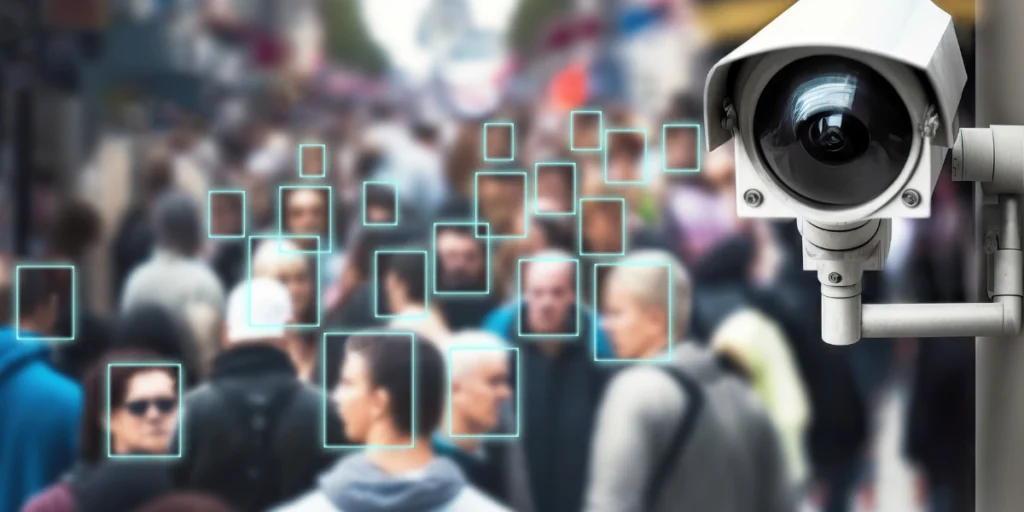
Ever walked past a security camera and wondered if it actually knows who you are? That is not science fiction anymore. Facial recognition in CCTV has subtly integrated into daily life, from Lahore’s shopping malls to Karachi’s gated communities.
But how good is this technology really, and should we be worried about it? Let us break it down.
What Is Facial Recognition in CCTV, Really?
At its core, facial recognition is software that scans faces captured on camera and compares them against a stored database. It maps out unique facial features, distance between the eyes, jawline shape, nose structure, and converts them into a digital template.
This template gets matched against existing records in a matter of seconds. Businesses, housing societies, and even government bodies across Pakistan are adopting this tech for security purposes.
How the Matching Process Works
The process typically involves three steps:
- Detection: the camera identifies a face within its field of view
- Analysis: the software maps facial landmarks and creates a biometric template
- Comparison: this template gets checked against a database for a potential match
Sounds simple, right? In practice, though, plenty of variables can throw the whole process off.
How Reliable Is Facial Recognition Accuracy in a Camera?
Here is where things get complicated. The facial recognition camera accuracy depends heavily on lighting, camera angle, image resolution, and the quality of the algorithm used.
Under ideal, well-lit, front-facing conditions, modern systems can achieve fairly high accuracy rates. But real-world CCTV footage rarely offers ideal conditions. Poor lighting, crowded areas, and low-resolution feeds significantly reduce reliability.
Factors That Affect Detection Rates
A few things consistently trip up even advanced systems:
- Low camera resolution or outdated hardware
- Faces partially covered by masks, scarves, or sunglasses
- Extreme camera angles or distance from the subject
- Motion blur in crowded or fast-moving environments
Accuracy also tends to drop when someone’s appearance changes over time, whether through aging, weight change, or something as simple as a new haircut.
Limitations of Facial Recognition Systems
No technology is perfect, and facial recognition is no exception. Understanding the limitations of facial recognition systems helps set realistic expectations for anyone considering this technology for their property or business.
Bias in Recognition Algorithms
Several independent studies have found that facial recognition algorithms do not perform equally across all demographics. Accuracy tends to be lower for certain skin tones, age groups, and genders, largely because training datasets are not always diverse enough.
This is not a minor technical hiccup. It has real consequences, especially when the technology is used for security or law enforcement purposes.
Environmental and Technical Constraints
Beyond bias, there are practical constraints too. Facial recognition struggles in:
- Dimly lit or shadowy environments
- Situations involving multiple overlapping faces
- Rainy, foggy, or dusty weather common in many parts of Pakistan
- Outdated camera systems that were not designed for AI integration
These are not reasons to dismiss the technology altogether, but they are worth keeping in mind before assuming a system will catch every face flawlessly.
AI Surveillance Cameras and the Rise of Smart Security
AI surveillance cameras now do much more than just motion detection. Today’s systems can flag unfamiliar faces, track movement patterns, and send real-time alerts to property owners. For homeowners and business owners in Pakistan, this shift means security is becoming more proactive rather than reactive. AI systems can prevent issues before they escalate, not just review footage after incidents.
If you are exploring options for the best security camera in Pakistan, it is worth considering systems that combine reliable hardware with well-calibrated AI features, rather than chasing facial recognition as a standalone selling point. We offer a range of surveillance solutions designed with Pakistani environmental conditions in mind, worth checking out if you are upgrading your property’s security setup.
Facial Recognition Security Systems: The Ethical Debate
This is where the conversation shifts from technical to deeply personal. Facial recognition security systems raise genuine questions about privacy, consent, and how our biometric data gets stored and used.
Privacy Concerns
Most people captured on camera never explicitly agreed to have their face scanned and stored. That raises an uncomfortable question: where does public safety end and personal privacy begin?
Unlike a password, you cannot change your face if a database gets compromised. That permanence is part of what makes biometric data so sensitive.
Consent and Data Storage
Another major concern involves how long facial data gets retained and who has access to it. Without clear regulations, there is often little transparency about:
- How long biometric templates are stored
- Who can access this data beyond the original purpose
- If data gets shared with third parties
- What happens if a breach occurs
Government and Public Space Surveillance
Public surveillance using facial recognition brings additional ethical weight. When cameras in public spaces can identify individuals without their knowledge, it shifts the balance between collective security and individual freedom.
This does not mean the technology should be abandoned. It means responsible deployment, clear policies, and public accountability matter just as much as the technology itself.
Finding the Right Balance
Facial recognition is not inherently good or bad. It is a tool, and like any tool, its impact depends entirely on how it is used. Businesses and property owners considering this technology should weigh the security benefits against the privacy responsibilities that come with it.
Transparency with employees, residents, or customers about camera use goes a long way toward building trust while maintaining a secure environment.
Frequently Asked Questions
1. Is facial recognition legal for private property use in Pakistan?
Private property owners can generally use surveillance cameras, including those with facial recognition features, for security purposes. However, it is wise to stay informed as data protection regulations continue to evolve.
2. Can facial recognition work in low-light conditions?
Most systems struggle in poor lighting, though newer cameras with infrared or night-vision capabilities perform noticeably better than older models.
3. Does wearing a mask affect facial recognition accuracy?
Yes, significantly. Masks and other face coverings obscure key landmarks that the software relies on, often reducing detection accuracy or causing matches to fail altogether.
4. How is facial recognition different from regular CCTV monitoring?
Regular CCTV simply records footage for later review. Facial recognition actively analyzes and matches faces against a database, often in real time.
5. Are there ways to reduce bias in facial recognition systems?
Using more diverse training data, regular algorithm audits, and combining facial recognition with other verification methods can help reduce bias and improve overall reliability.
Final Thoughts
Facial recognition in CCTV offers real security benefits, but it is not without its blind spots. From accuracy challenges in poor lighting to genuine ethical concerns around privacy and consent, this technology demands thoughtful, responsible implementation rather than blind adoption.
Responsible implementation starts with the right hardware. We supply High-Tech security camera systems built for Pakistan’s real-world conditions, chosen and configured to give you genuine security value without the blind spots. Contact us to find a setup that balances innovation with the reliability your property actually demands.


Lets's Get Social
We are a dedicated professional company that deliver high-quality cameras all over Pakistan

Shariq Tahir
Share On
Related Post