How Many CCTV Cameras Does an Average Property Need?
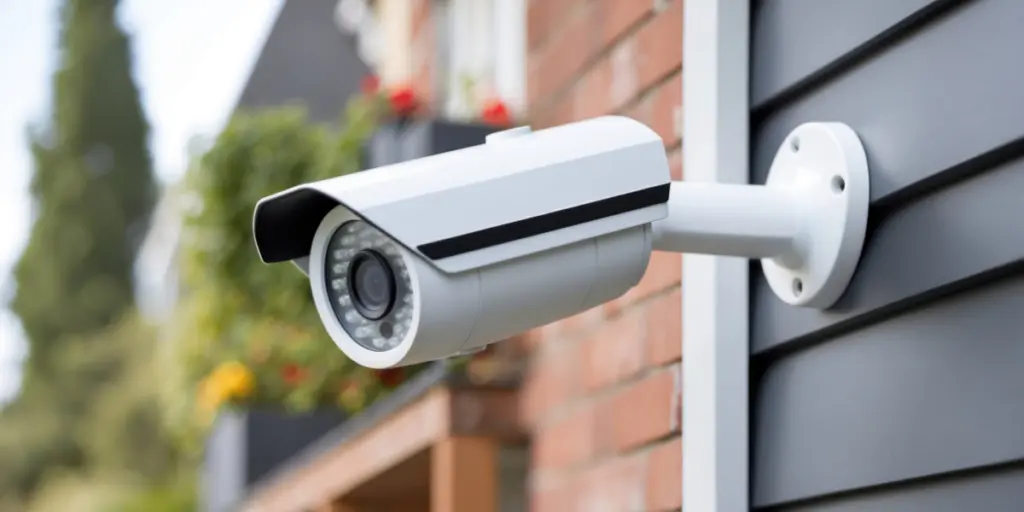
If you’ve ever stood in your living room wondering exactly how many CCTV cameras does a property need, you’re not alone. It’s one of the first questions that comes up when Pakistani homeowners and business owners start planning their security setup.
Get the number wrong on the low side, and you’re left with blind spots an intruder can walk right through. Get it wrong on the high side, and you’re paying for cameras that add nothing but clutter to your monitoring screen. The truth is, there’s no single number that works for every property. The right count depends on your layout, your entry points, and what you actually need to watch.
This guide makes it easier for you to answer the question “how many security cameras do I need” for different types of homes and businesses, so you can plan a system that actually covers what matters.
Why Getting the Camera Count Right Matters
A well-planned camera system does two things at once: it deters people who might otherwise try their luck, and it gives you a clear record if something does happen. Randomly mounting cameras wherever looks convenient serves neither goal.
Coverage gaps are the real problem. A single missed corner, a dark side alley, or an unmonitored back gate can undo the value of every other camera you’ve installed. That’s why planning matters more than simply buying more units.
What Factors Determine the Number of CCTV Cameras Needed
Before choosing a number, it helps to understand the factors that influence how many CCTV cameras you need. Every property is different, and a few key variables shape the final count far more than personal preference does.
· Property Size and Layout
A compact, square-shaped plot needs far fewer cameras than a sprawling property with multiple wings, outbuildings, or an irregular boundary wall. Long boundary walls and multiple corners naturally call for additional coverage.
· Number of Entry and Exit Points
Every door, gate, and ground-floor window is a potential access point. Homes and offices with several entrances typically need more cameras simply to keep each one in view.
· Indoor and Outdoor Requirements
Outdoor cameras handle perimeter security, while indoor units cover hallways, staircases, and shared spaces. Most properties need a mix of both rather than relying on one type alone.
· Ground-Floor Windows and Vulnerable Spots
Ground-floor windows, side passages, and rooftop access points are commonly overlooked, yet they’re often the first spots someone checks before attempting entry.
A few other factors worth considering:
- If the property has a garage, servant quarters, or storage area.
- How much natural or artificial lighting the exterior gets at night.
- If pets or frequent visitors might trigger unnecessary motion alerts.
- Local crime patterns in your specific neighborhood.
How Many CCTV Cameras are Required for a House?
Once you know the general factors, the next step is applying them to your actual home. The answer to how many CCTV cameras for a house changes quite a bit depending on whether you live in a flat or a multi-storey house on a large plot.
· Apartments and Small Flats
A flat usually needs coverage at the main entrance, on the balcony, and possibly in a shared hallway, if the building permits it. Because the footprint is small, a handful of cameras is often enough to cover the essentials.
· Medium-Sized Homes
A typical single-family home benefits from cameras at the front door, back door, driveway, and garden area, plus one covering the main gate. This range balances thorough coverage with manageable monitoring.
· Large Houses and Farmhouses
Bigger properties with extended boundary walls, multiple outbuildings, and long driveways need a more layered approach, with cameras spaced along the entire perimeter and at each structure.
| Property Type | Recommended Camera Range | Typical Coverage Areas |
| Apartment or small flat | 2–4 cameras | Main entrance, balcony, shared hallway |
| Medium-sized house | 4–6 cameras | Front door, back door, driveway, garden |
| Large house or farmhouse | 8–12+ cameras | Perimeter walls, multiple gates, outbuildings, garage |
How Many Cameras Are Needed for CCTV Coverage in Commercial Properties?
Businesses face different considerations. Figuring out how many cameras you need for CCTV coverage in a shop or office isn’t just about security; it’s also about accountability and day-to-day operations.
· Retail Shops
Shops generally need cameras at the entrance, near the till or counter, along the aisles, and at any back exit used by staff.
· Offices
Office spaces benefit from cameras covering the reception area, main entry and exit points, parking areas, and any room storing sensitive equipment or documents.
· Warehouses and Industrial Units
Warehouses and factories, with their loading docks, wide floor areas, and multiple access points, typically require the most extensive coverage of any commercial setting.
If you’re weighing up a security camera in Pakistan for your home or business, it’s worth speaking to a team that can actually assess your layout rather than guessing at a number. We work with property owners across the country to plan camera placement around real entry points and blind spots, rather than relying on a generic checklist.
Common Blind Spots Property Owners Overlook
Even well-planned systems tend to miss a few recurring spots. Watch out for these when finalizing your layout:
- Side passages between houses or boundary walls.
- Rooftop access points and water tank areas.
- Basement or storeroom entrances.
- Areas directly beneath or beside the camera itself, since most units can’t see straight down.
Practical Tips for Balanced Coverage
A thoughtful layout is almost always more effective than simply adding more units. Keep these tips in mind:
- Prioritize entry points over open, low-risk areas first.
- Position cameras to overlap slightly so there are no gaps between fields of view.
- Mix wide-angle cameras for open spaces with focused units for doorways and gates.
- Reassess coverage whenever you add a new structure, gate, or extension to the property.
FAQs
1. How many CCTV cameras does a property need?
It depends on the size, layout, and number of entry points, but most homes fall somewhere between four and eight cameras, while larger properties may need more.
2. How many security cameras do I need for a small apartment?
A small flat typically needs two to four cameras to cover the main entrance, balcony, and any shared hallway.
3. What factors determine the number of CCTV cameras needed?
The planning process depends on factors such as the property’s dimensions, the number of doors and windows, indoor and outdoor coverage needs, and known blind spots.
4. Do I need different camera counts for a house versus a shop?
Yes. Homes focus on entry points and boundaries, while shops and offices also need coverage for tills, aisles, storage areas, and parking.
5. Can too many cameras be a problem?
Yes. Too many cameras can create unnecessary overlap and make monitoring harder without meaningfully improving security, which is why careful planning matters more than simply adding units.
Final Thoughts
There’s no universal answer to how many cameras a property needs, but there is a reliable process for finding the right number: map your entry points, account for your property’s size and layout, and prioritize the areas most likely to be overlooked. A small flat might do fine with a handful of cameras, while a large home or warehouse will need a far more layered setup. What matters most is that every camera earns its place in the system rather than being added just for the sake of a bigger number.
For property owners ready to move forward, we offer a High-Tech camera range built to match this kind of customized planning, helping you cover what matters most without unnecessary excess!


Lets's Get Social
We are a dedicated professional company that deliver high-quality cameras all over Pakistan

Shariq Tahir
Share On
Related Post