How to Protect Your CCTV System During Power Failures
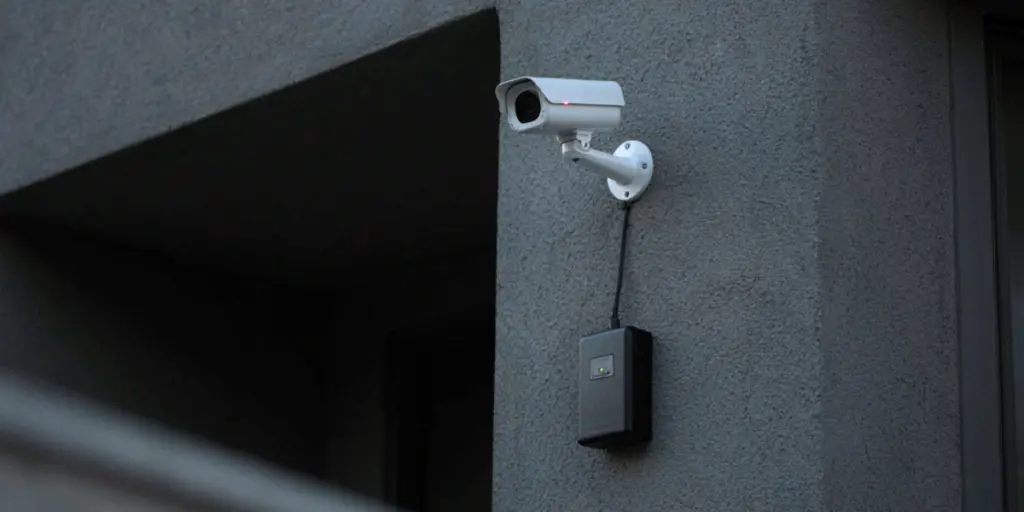
Every security camera has a blind spot nobody talks about, and it has nothing to do with angles or lenses. It is the gap between when the power dies and when it comes back. That gap is where footage goes missing and where trouble tends to slip through unnoticed. A camera that cannot record is a camera that cannot protect anyone.
Learning how to protect CCTV during a power failure closes that gap before it ever opens, using batteries, surge protection, and a few smart habits around equipment. Pakistan sees its share of outages, especially during peak summer load, and a camera that stays blind through them offers little real protection. Here is what keeps the picture running.
What Happens to CCTV When the Power Goes Out
Power loss affects every part of a CCTV setup almost immediately, though the impact depends on the camera type.
Recording Stops on Wired Systems
Wired cameras connected straight to a DVR or NVR lose power the second the grid goes down. Recording stops, live feeds freeze, and the system stays blind until electricity returns. This gap is exactly when break-ins and accidents are most likely to happen unnoticed.
Battery Cameras Keep Recording
Battery-powered units and wireless cameras with built-in cells continue working through short outages. Runtime varies quite a bit here, since it depends heavily on battery size, temperature, and the amount of motion the camera detects each hour.
Network and Internet Access May Drop
Even a battery-powered camera needs a working router and modem to send alerts remotely. A power cut usually shuts down the modem unless it has its own backup power supply, so local recording continues while remote viewing goes offline.
How Long Can CCTV Cameras Work Without Power
Runtime numbers vary widely once you look past marketing claims and check real battery specs. This matters more in Pakistan than in most places, since some regions face load shedding lasting up to 18 hours a day, according to a research article published in Science Direct, which makes backup power less a nice-to-have and more a requirement.
Small UPS Units
A basic 12V mini-UPS built for one or two cameras and a small recorder usually lasts between two and four hours. Load matters here, since more cameras pull more current and shorten that window quickly.
Larger UPS Systems
Larger UPS units with higher-capacity batteries can keep multiple cameras running for six hours or longer. The actual backup duration depends on the battery capacity and the combined power consumption of the connected equipment, so a higher-capacity battery provides longer protection during an outage.
Battery-Only Wireless Cameras
Standalone wireless cameras with internal rechargeable batteries can often run for days on a single charge because they only wake to record motion. Constant streaming or frequent night vision use drains that charge much faster than idle standby.
Solar-Assisted Cameras
Cameras paired with a small solar panel automatically recharge during daylight hours, extending runtime well beyond what the internal battery alone can provide. This setup works best in sunny climates and in outdoor placements with clear-sky exposure.
How to Protect CCTV During a Power Failure
A few practical steps keep footage flowing and equipment safe when the grid drops out unexpectedly.
- Install a Dedicated UPS: Every DVR, NVR, and PoE switch benefits from its own UPS sized to the system’s actual power draw, which covers the biggest gap in most setups.
- Add Surge Protection: Power failures usually cause voltage surges when electricity returns, and those spikes can damage cameras just as easily as the outage itself.
- Choose Cameras with Built-In Batteries: Picking hardware built for this from the start means battery-backed cameras remove one entire point of failure.
- Test Batteries on a Schedule: A UPS that once ran four hours might only manage one after two years, so checking battery health regularly prevents a nasty surprise.
- Plan for Extended Outages: A generator or solar system with deep-cycle batteries can keep your CCTV running for several days.
Runtime is only as good as the equipment behind it. We stock battery-backed and solar outdoor cameras engineered for exactly these stretches. Shop from us today for cameras built to outlast the dark!
What Backup Power Does A CCTV System Need
Here is a quick look at how common backup options stack up for a typical CCTV setup.
| Backup Option | Typical Runtime | Best For |
| Small UPS (7-9Ah) | 2-4 hours | 1-4 cameras, small NVR |
| Large UPS (18Ah+) | 5-8 hours | Multi-camera business setups |
| Battery-only wireless camera | 1-8 days standby | Single entry points, gates |
| Solar-assisted camera | Continuous, weather permitting | Outdoor, sunny locations |
| Generator plus UPS combo | Extended, until fuel runs out | Multi-day outages |
Frequently Asked Questions
Do all CCTV cameras stop working during a power cut?
No. Wired cameras without a battery stop right away, while battery-powered and solar cameras keep recording for as long as their charge lasts.
How to keep CCTV cameras working during a power outage without spending a lot?
A small UPS for the recorder and one or two battery-backed cameras at key entry points covers most budgets without a full system overhaul.
Can solar panels fully replace grid power for CCTV?
In sunny regions, yes, though cloudy stretches still call for a battery buffer large enough to bridge a few overcast days.
Does a UPS protect cameras from surges too?
Most UPS units include surge protection, which shields cameras and recorders from the power spikes that usually follow an outage.
What backup power does a CCTV system need for a home with four cameras?
A mid-sized UPS with a 9- to 18-amp-hour battery typically powers four cameras and a small recorder for several hours.
Conclusive Thoughts
Power cuts are unpredictable, but your footage does not need to disappear with them. Matching backup power to your needs, testing batteries regularly, and choosing cameras built for real gaps in electricity keeps your system standing through the next blackout. A little planning today keeps your footage from being recorded exactly when it matters most.
Footage that keeps recording starts with hardware capable of handling the gap. We carry the IMOU camera range, designed to hold up when the power does not. Order now and give the next blackout nothing to work with!


Lets's Get Social
We are a dedicated professional company that deliver high-quality cameras all over Pakistan

Shariq Tahir
Share On
Related Post