Waterproof CCTV Cameras Explained: IP66 vs IP67 Ratings
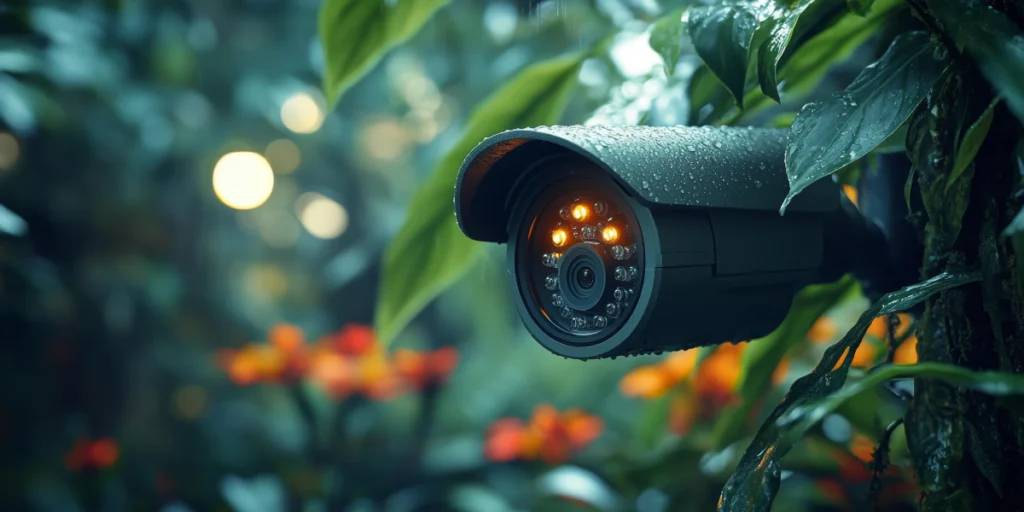
Pakistan’s weather does not do things by halves. One season brings scorching heat and dust storms, and the next brings monsoon downpours that can flood streets within hours. If you are installing a security camera outdoors, whether at a home, shop, or warehouse, it needs to survive all of that without flinching. This is exactly why understanding waterproof CCTV cameras and their protection ratings matters before you spend a single rupee on equipment.
You have probably seen “IP66” or “IP67” printed on a camera’s spec sheet and wondered what the difference actually is. Both sound similar, but they represent very different levels of protection, and picking the wrong one can mean a camera that fogs up, malfunctions, or simply stops working after a few heavy downpours.
Let us break it down so you can make an informed decision before installation day.
Understanding IP Ratings: The Basics
Before comparing IP66 vs IP67 CCTV cameras, it helps to know what an IP rating even measures. IP stands for Ingress Protection, and it is an internationally recognized standard for how well an enclosure keeps out solid particles and liquids. The rating always comes as two digits:
- The first digit measures protection against solid objects, like dust and sand.
- The second digit measures protection against moisture and water.
A higher number in either position means stronger protection. That is the entire system in a nutshell, but the real-world implications of each number are what matter most to buyers.
IP66 Rating Explained
An IP66 rating simply means the device is completely dust-tight and can withstand powerful water jets from any direction.
Cameras with this rating are built to handle:
- Total dust protection, with zero ingress
- High-pressure water jets, such as those from heavy rain or manual hosing
- Wind-driven rain and general outdoor exposure
An IP66 camera is not designed for submersion. If water pools around the unit or it ends up underwater, even briefly, that is beyond what this rating covers. For most rooftop, wall-mounted, or elevated installations, though, IP66 offers more than enough protection against Pakistan’s harsh sun, dust, and rainfall.
IP67 Rating Explained
The IP67 rating offers the same dust-tight protection as IP66 and takes water resistance a step further.
An IP67-rated camera can handle:
- Complete dust protection, identical to IP66
- Temporary immersion in water, typically up to one meter deep for around 30 minutes
- Flooding, splashing, and standing water around the installation point
This makes IP67 the better choice for cameras mounted low to the ground, near drainage points, in basements, or in areas prone to waterlogging during monsoon season.
IP66 vs IP67 CCTV Cameras: Key Differences
Here is a quick way to think about the distinction:
- IP66 protects against powerful water jets but not submersion.
- IP67 protects against everything IP66 does, plus temporary submersion in water.
| Feature | IP66 | IP67 |
| Dust protection | Complete | Complete |
| High-pressure water jets | Yes | Yes |
| Wind-driven rain | Yes | Yes |
| Temporary submersion | No | Yes, up to 1 meter for around 30 minutes |
| Best suited for | Elevated or wall-mounted spots | Ground-level or flood-prone spots |
When to Choose IP66
Go with an IP66 camera if it is being mounted at height, under eaves, or in a spot where it is exposed to rain and wind but unlikely to ever sit in standing water.
When to Choose IP67
Choose IP67 if the camera will be installed near ground level, in low-lying areas, or anywhere flooding or water pooling is a realistic possibility during heavy rains.
Why Weatherproof Surveillance Cameras Matter in Pakistan
Karachi’s monsoon flooding, Lahore’s dust storms, and the extreme heat across much of the country put outdoor equipment through genuine stress. A camera that is not properly sealed can develop internal condensation, corroded connectors, or lens fogging well before its expected lifespan is up. Investing in properly rated weatherproof surveillance cameras is not a luxury; it is a practical requirement for anyone who wants reliable, uninterrupted footage year-round, regardless of what the season throws at them.
If you are looking for the best outdoor security cameras for your property, it is worth considering options that have been tested and rated for local weather conditions rather than guessing based on price alone. A camera that looks identical to another can behave very differently in rainfall and humidity. We offer weatherproof cameras for homes and businesses across Pakistan, with guidance to help select the right rating for your site.
Choosing the Right Waterproof CCTV Camera for Your Property
Before buying, think through a few practical points:
Factors to Consider
- Where exactly will the camera be mounted, and how exposed is that spot to direct rain?
- Is there any chance of water pooling or flooding near the installation point?
- What material is the camera housing made from, and how well does it handle heat and humidity over time?
- Does the mounting position allow for natural drainage, or will water collect around the unit?
Getting these details right before installation saves a lot of hassle later.
Installation Tips for Weatherproof Cameras
Here is a summarized, easy-to-follow list of best practices for camera installation and maintenance:
- Ensure installation follows best practices, since even a well-rated camera underperforms if positioned or sealed incorrectly.
- Angle the camera slightly downward so that water runs off the housing rather than pooling on top.
- Seal cable entry points properly, as poorly sealed wires are often the failure point rather than the camera itself.
- Regularly check mounting brackets, since loose fittings can shift the camera’s angle and expose seals to rainfall.
- Routine maintenance significantly protects your investment.
Final Thoughts
Choosing between IP66 and IP67 comes down to where your camera will sit and what kind of water exposure it will realistically face. IP66 handles rain and dust exceptionally well, while IP67 adds protection against temporary submersion for those trickier, flood-prone spots. Either way, matching the rating to the installation location is what actually keeps your surveillance system running through Pakistan’s toughest weather, season after season, without unexpected downtime or costly replacements.
Pakistan’s climate demands cameras that are properly rated for the conditions they will actually face. We stock the IMOU outdoor security camera range, with the expertise to match the right IP rating and mounting setup to your specific site. Contact us before you install and make sure your system is built to last through every season.


Lets's Get Social
We are a dedicated professional company that deliver high-quality cameras all over Pakistan

Shariq Tahir
Share On
Related Post